Ethiopia Strongly Suggested That Eritrea Is Following In Ukraine’s Footsteps
Its Foreign Minister’s description of Ethiopia’s grievances against Eritrea, coupled with his closing remarks about how they’re “two states that have virtually one people”, resembles Putin’s article “On the Historical Unity of Russians and Ukrainians” seven months before the special operation.
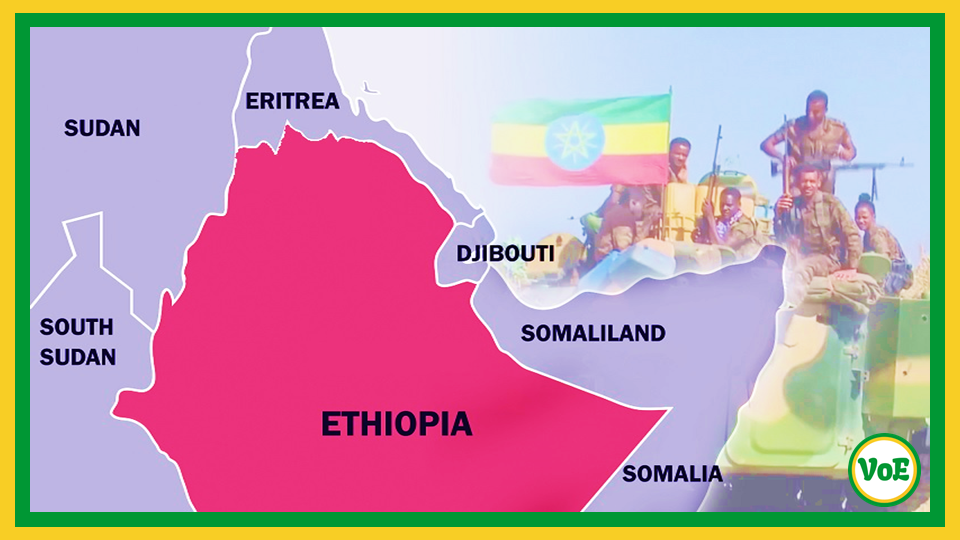
Ethiopian Foreign Minister Dr. Gedion Timothewos gave a detailed speech in mid-November to members of the diplomatic corps on his country’s tensions with Eritrea. It’s important to raise maximum awareness of the insight that he shared since it hints that another Eritrean-provoked war might be right around the corner. He began by clarifying that Ethiopia’s peaceful quest for sea access isn’t the cause of these tensions by pointing to Eritrean hostility in the late 1990s before this issue was ever brought up.
About that, their war from 1998-2000 wasn’t over the border like many observers superficially concluded but was driven by five underlying factors that remain relevant to this day, the misdiagnosis of which “could result in wrong and unhelpful prescriptions” for resolving their present tensions. The first is Eritrea’s continued meddling in Ethiopian affairs after its independence, while the second is President Isaias Afweri allowing his country to become a proxy for all third parties with anti-Ethiopian interests.
The “Isaias Doctrine” is the third factor, which Gedion described as the Eritrean leader’s strongly implied belief that “Eritrea’s continued statehood as a sovereign country is contingent upon Ethiopia’s insecurity”. He assessed that “It is a doctrine that originates from a faithful emulation of those who want to instrumentalize Eritrea as a proxy against Ethiopia.” Next on his list is what he calls the “Nakfa syndrome”, which is named after a famous Eritrean victory during the three-decade-long civil war.
This is “A psychological condition of the Eritrean ruling elites that is unable and unwilling to unlearn and overcome behaviors of its guerilla years. This have resulted in, domestically, an imposition of indefinite military service on the entire Eritrean society resulting in virtual modern-day slavery…Hence, having none of the normal bread-and-butter economic considerations that constrain normal governments, the Eritrean government is free to pursue regional mischief as its full-time occupation.”
Finally, Gedion mentioned how there’s a “belief prevalent among a considerable portion of politically conscious Ethiopians” questioning the legitimacy of the post-Derg transitional government as well as the associated legitimacy of it allowing Eritrean independence without securing Ethiopian access to the sea. He reaffirmed that Ethiopia respects Eritrea’s independence, but the innuendo is that maybe Eritrea’s Afar-inhabited coast should have joined their country’s Afar Region and remained part of Eritrea.
Eritrea’s continued occupation of some northern Ethiopian territory and backing of anti-state militants are legitimate casus belli, he said, but Ethiopia is restraining itself for now due to its hope that the international community can convince Eritrea to change its ways. For that to happen, it must stop being the proxy of others (an allusion to Ethiopia’s historical Egyptian rival) and cooperate with Ethiopia on its regional integration plans, which can begin with a free trade agreement and joint infrastructure projects.
Gedion’s description of Ethiopia’s grievances against Eritrea, coupled with his closing remarks about how they’re “two states that have virtually one people”, resembles Putin’s article “On the Historical Unity of Russians and Ukrainians” seven months before the special operation. Accordingly, Ethiopia might undertake similarly decisive action to ensure its security interests if diplomatic efforts fail, which would be as disastrous for Eritrea. Afwerki should therefore think twice before following in Zelensky’s footsteps.
Disclaimer: The views expressed in this article are author’s own and do not necessarily reflect the editorial policy of Voice of East.
Discover more from Voice of East
Subscribe to get the latest posts sent to your email.
Categories: Africa, Analysis, Geopolitics
 Russia Is Quietly Expanding Its Influence In Madagascar And The Comoros
  The US Might Make The Sahelian Alliance An Offer That It Can’t Refuse
  Why Did Trump Bomb ISIS In Nigeria On Christmas?
  Russia’s Long-Delayed Sudanese Naval Base Might Be Back On Track
  Voice of East
Leave a Reply