Sri Lanka Wisely Rejected The US’ Request To Station Two Warplanes There
The US would have benefited from turning Mattala International Airport into its regional military hub, not to mention striking Iran from there during the ongoing war, but South Asian geopolitics would have changed for the worse as a result.
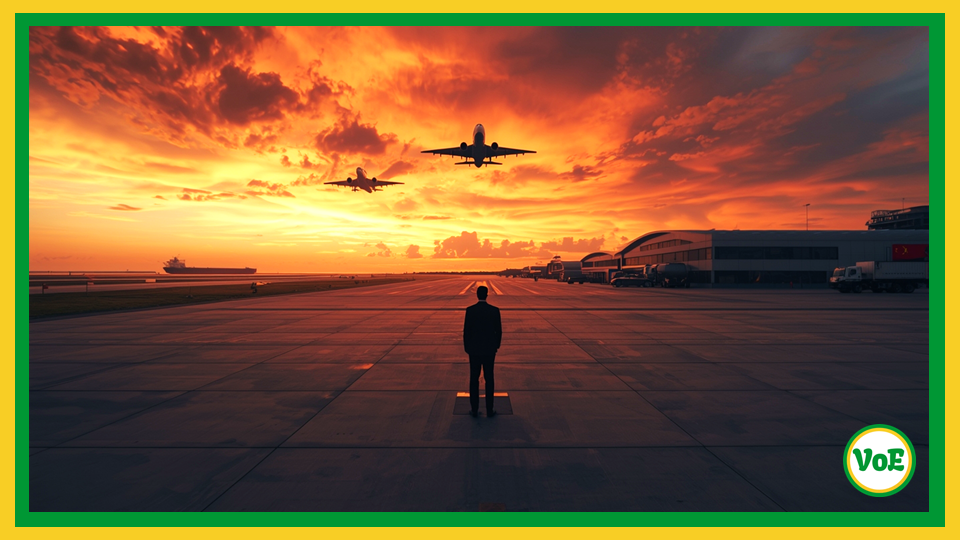
Sri Lankan President Anura Kumara Dissanayake revealed after a meeting with US Special Envoy for South and Central Asia Sergio Gor that the US twice requested that his country host its warplanes on 4 and 8 March but he rejected its proposal in order to retain neutrality in the Third Gulf War. According to him, “They wanted to bring in two warplanes armed with eight anti-ship missiles from (their) base in Djibouti to the Mattala International Airport and we said no.” That was a wise decision to make.
As a reminder, the US earlier sunk an Iranian ship off the Sri Lankan coast that was returning home after participating in multilateral drills hosted by India, so it’s sensible that Dissanayake would reject the US’ request to station its warplanes in his country on that exact same day and then shortly after. Likewise, Sri Lanka then interned a second Iranian ship returning from the same drills the day after the other ship was sunk, so it would be a betrayal of Iran’s trust to then turn around and host US warplanes.
Indian-based journalist Lisa Singh, who regularly covers regional affairs with a focus on Russia, India, and their strategic partnership, noted in a post about Dissanayake’s decision that Iran is a key buyer of Sri Lankan tea so he might have also had economic calculations in mind when rejecting the US’ request. Upon further research, it turns out that Sri Lanka and Iran also agreed in December 2021 to a tea-for-oil barter deal, which has been disrupted by the war and thus also caused harm to local producers.
Another calculation that possibly contributed to Dissanayake’s wise decision to reject hosting US warplanes apart from obviously not wanting to be targeted by Iranian drones and missiles like the Gulf Kingdoms have been for the same reason is the history of Mattala International Airport. It was financed by an ~$200 million loan from China as part of its Belt & Road Initiative but was lambasted as a corrupt vanity project of former President Mahinda Rajapaksa that made no economic sense.
The airport was later leased to a joint Indian-Russian venture but there are now reportedly plans to scrap that arrangement in favour of a public-private partnership as of January since it continues to incur losses. The optics of US warplanes based in an airport that’s connected to Russia, India, and China, the core of countries of BRICS, would have been scandalous and generated very negative publicity for Sri Lanka. This might not have been Dissanayake’s primary calculation, but it arguably contributed to his wise decision.
All in all, Dissanayake deserves credit for rejecting the US’ request, which risks its wrath. The US would have benefited from turning Mattala International Airport into its regional military hub, not to mention striking Iran from there during the ongoing war, but South Asian geopolitics would have changed for the worse as a result. It’s better for Sri Lanka to remain in good graces with the region’s leader than the US so Dissanayake made the right decision.
Disclaimer: The views expressed in this article are author’s own and do not necessarily reflect the editorial policy of Voice of East.
Discover more from Voice of East
Subscribe to get the latest posts sent to your email.
Categories: Analysis, Geopolitics, International Affairs
Related Articles
-
 A Lasting Political Solution To The Afghan-Pakistani War Is Extremely Unlikely
-
 Putin’s Top Aide Patrushev: The Third Gulf War Could Destabilize Afro-Eurasia for Years
-
 Russia’s Top UN Representative Reminded The World Of The West’s Responsibility To Afghanistan
-
 Foreign Affairs Explained Why The Global South Won’t Fall Under Western Influence
 Voice of East
Leave a Reply