How Did Pakistan End Up As The Most Likely Mediator Between The US And Iran?
It’s important to remind everyone that those two’s possible agreement to hold talks through a mediator would be more significant than whoever does the mediation.
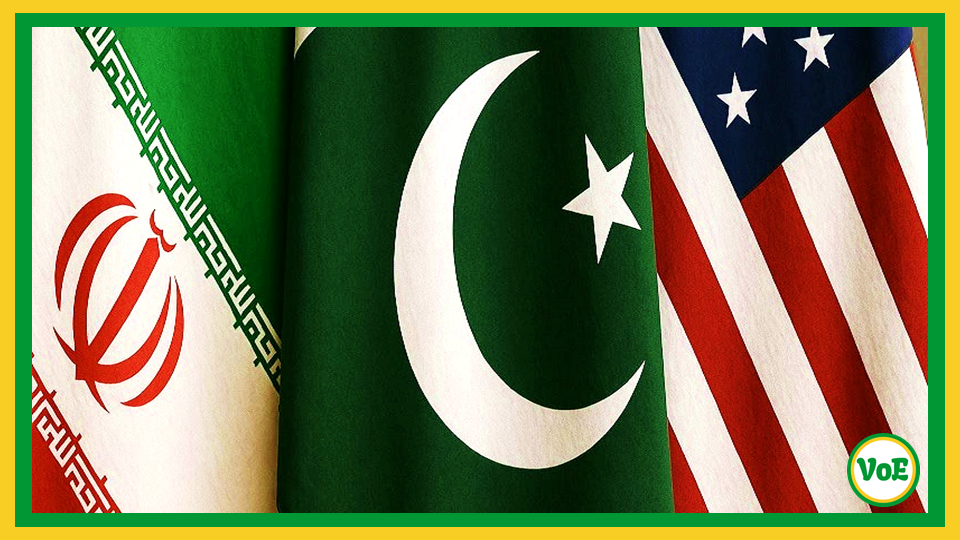
Trump’s repost of Pakistani Prime Minister Shehbaz Sharif’s tweet declaring his country’s willingness to host talks between the US and Iran lends credence to reports about Islamabad’s mediation. Asim Munir is Trump’s “favourite Field Marshal” in his own words so he trusts him more than any other potential mediator. Pakistan isn’t a member of NATO like Turkiye, which also wants to mediate, but a “Major Non-NATO Ally”. This might make Pakistan more acceptable of a host than Turkiye from Iran’s perspective.
Pakistan also has a significant Shiite minority, centuries of shared history with Iran (formerly Persia) that left a lasting legacy which continues to this day, and has loudly condemned strikes against its neighbour. All these factors could contribute to convincing Iran that Pakistan would be a trustworthy mediator. Moreover, Pakistan secretly facilitated talks between the US and China during the Nixon era so the precedent exists for it to play a similar role between the US and Iran, albeit a public one this time.
From its own perspective, Pakistan doesn’t just want to increase its diplomatic renown, but it also wants to advance other interests through these means. By offering to mediate between the US and Iran, and after Trump just signalled his interest by reposting Sharif’s tweet, Pakistan implicitly reaffirmed Trump’s claim of mediating between it and India last spring by presenting its own mediation as repaying that supposed favour. The purpose is to discredit India’s insistence that such mediation never happened.
Another of the interests that Pakistan advances by offering its mediation services is reingratiating itself with the US after February’s Indo-US trade deal suggested that India had successfully restored its recent role as the US’ top regional partner after the past year’s rapid Pakistani-US rapprochement jeopardized it. The perception that Pakistan had fallen out of the US favour was reinforced last week after the Director of National Intelligence warned about the threat that its ballistic missile program could pose to the US.
It was therefore perfect timing that Trump then gave Iran his 48-hour deadline that weekend to reopen the Strait of Hormuz, which prompted this frantic mediation effort that reportedly included Munir calling Trump on Sunday, the day before Trump extended the deadline till Friday citing new talks with Iran. While it’s possible that the entire thing is a charade to once again dupe the Iranians prior to another US sneak attack, perhaps the attempted capture of Kharg Island, this whole sequence still benefits Pakistan.
Regardless of whatever the outcome may be, Pakistan could use the opportunity to request more US military aid such as modern arms sales on anti-terrorist pretexts as a reward for playing this role despite Indian concerns about disrupting the balance of power. Its war with the Taliban can be pointed to as the pretext for this while possibly hinting that Pakistan’s potential subordination of the group, even if not right away, could lead to the return of US troops to Bagram Airbase like Trump earlier said that he wants.
All in all, Pakistan has compellingly positioned itself as the potential mediator between the US and Iran, though it’s important to remind everyone that those two’s possible agreement to hold talks through a mediator would be more significant than whoever does the mediation. After all, mediators only pass along messages and rarely provide their own input about political solutions, whether solicited or not. Nevertheless, it would still improve Pakistan’s image, but the ultimate outcome remains to be seen.
Disclaimer: The views expressed in this article are author’s own and do not necessarily reflect the editorial policy of Voice of East.
Discover more from Voice of East
Subscribe to get the latest posts sent to your email.
Categories: Analysis, Geopolitics, Pakistan
Related Articles
-
 Pakistan’s Missile Program Is Back In The US’ Crosshairs
-
 A Partially Pentagon-Funded Newspaper Is Fearmongering About Russian-Pakistani Ties
-
 Eclipsing Kashmir: Why The Afghanistan-Pakistan Standoff Is Now South Asia’s Most Volatile Fault Line
-
 Pakistan’s Expanding “Military Diplomacy” Deepens Ankara’s Reach Across Afro‑Eurasia
 Voice of East
Leave a Reply