Bridging Civilizations: Pakistan And Uzbekistan Celebrate Shared Cultural Legacy
By News Desk
Conference on “Pakistan-Uzbekistan Shared Cultural History” Held in Islamabad
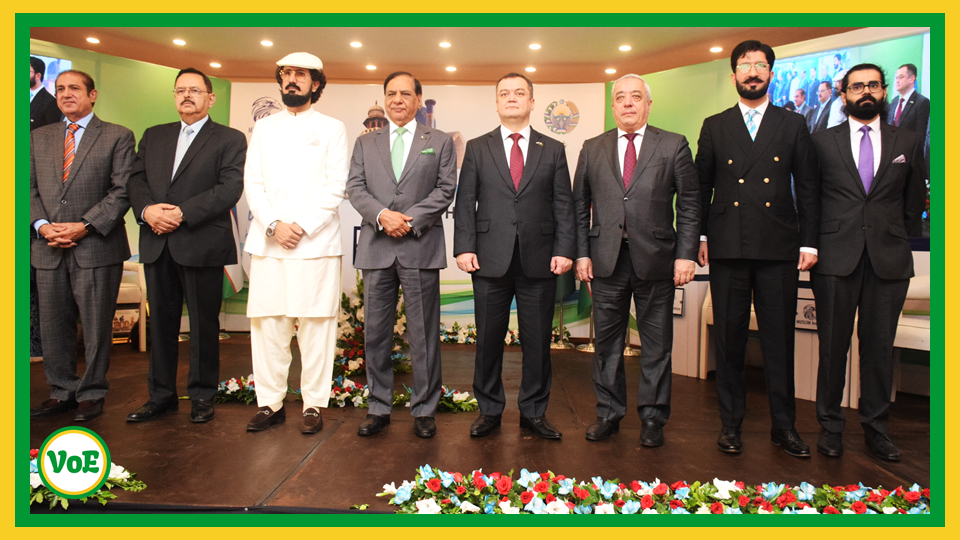
The MUSLIM Institute, in collaboration with the Embassy of Uzbekistan, organized an international conference titled “Pakistan-Uzbekistan Shared Cultural History” at the Islamabad Club on September 22, 2025. The event aimed to shed light on the rich historical and cultural ties between the two nations. It underscored the importance of preserving cultural heritage in both countries and emphasized the need for enhanced cooperation between Central Asia and the rest of the world.
Speakers highlighted that the Islamic heritage of the subcontinent spans centuries and must be safeguarded against the influence of India’s Hindutva ideology, which they claimed seeks to distort and erase this legacy.
The seminar emphasized that the relationship between Pakistan and Uzbekistan is not merely diplomatic or political, but deeply rooted in ancient civilizations, intellectual exchanges, and shared Sufi traditions. Speakers noted that Pakistan’s historical foundations trace back to the establishment of the state by Qutb-ud-Din Aibak, followed by the Lodi and Mughal empires—whose intellectual and cultural legacies are intertwined with Afghan and Turkish histories.
It was observed that the cultural traditions of the subcontinent have strong connections with Central Asian countries. Concerns were raised over India’s Hindutva-driven policies, which are reportedly distorting Mughal history by renaming monuments and removing Timurid-Mughal heritage from educational curricula. The speakers called on Central Asian nations to unite in joint efforts to preserve their shared cultural heritage.
Distinguished speakers included His Eminence Sultan Muhammad Ali, Founder of the MUSLIM Institute; Sardar Masood Khan, former President of Azad Jammu and Kashmir; General (Retd.) Ehsanul Haq, former Chairman Joint Chiefs of Staff Committee; Dr. Azmat Ziyo, Member of the Senate of Uzbekistan and Director of the Institute of History and Sciences; Sahibzada Sultan Ahmed Ali, Chairman of the MUSLIM Institute; His Excellency Ali Shir Takhtiyav, Ambassador of Uzbekistan; Major General (Retd.) Khalid Amir Jafari, President of the Center for South Asia and International Studies; Former Deputy Ambassador Sarfraz Ahmed Supra; Dr. Zafar Nawaz Jaspal, Dean of the Faculty of Social Sciences at QAU; Dr. Uzma Siraj, Director at NACTA; Dr. Odil Zaripov, Scientific Security Officer at the Institute of History and Sciences, Uzbekistan; Botir Yuldashev, Research Fellow at the Institute of History and Sciences; and moderators Dr. Saira Alvi and Dr. Shujahat Hashmi.
Speakers emphasized the breadth of joint ventures between Pakistan and Uzbekistan, including defense, agriculture, and student-faculty exchange programs. The cultural partnership also extends to the defense sector, reflected in the naming of missiles such as Babur, Ghori, and Ghaznavi. Pakistan has trained Uzbek pilots and may consider supplying JF-17 aircraft to Uzbekistan, among other initiatives.
The bilateral relationship continues to expand through public diplomacy, educational collaboration, and tourism promotion. In conclusion, speakers stressed the importance of preserving historical manuscripts, initiating translation projects, and organizing joint cultural events to foster closer ties between the peoples of both nations. They also highlighted the vast potential for Central Asia to benefit from strategic and economic cooperation.
The seminar concluded with a question-and-answer session, and commemorative plaques were presented to the speakers. Researchers and experts from various universities and think tanks across the country attended the conference.
Discover more from Voice of East
Subscribe to get the latest posts sent to your email.
Categories: Pakistan, Press Release
 Voice of East
Leave a Reply