Farmers’ Protest and Socio-Economics – A Litmus Test for World’s Largest Democracy?
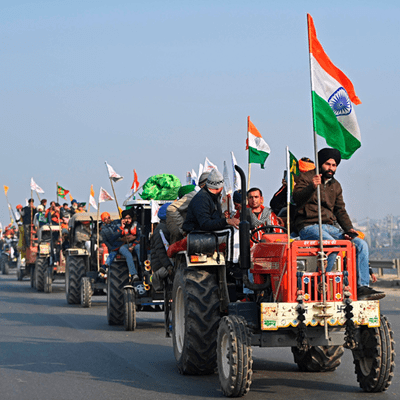
Centred around the three pieces of agricultural legislation passed in September 2020 by Indian Parliament, #FarmersProtest began in August when the three acts were unveiled.
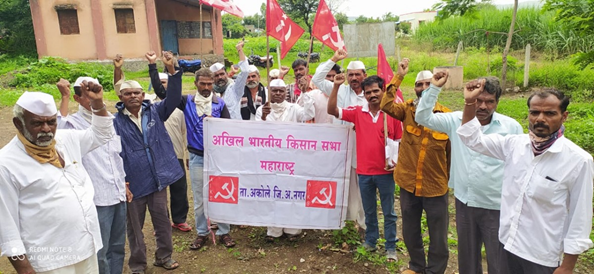
Though, PRS, a non-profit Indian legislative research institute claims the three bills enact,
1. Reduction in trade regulations on farmers’ goods,
2. Allow electronic and interstate trading,
3. Empower farmers and buyers to ratify exclusive contracts limiting government’s control to regulate the supply of essential commodities.
The farmers’ argument is based on the concerns regarding the competition generated as a result of these bills and the empowerment of corporate buyers rather than agricultural workforce – nearly 60% of India’s population. As per farmers this ‘deregulation’ provides buyers an access to broader group of suppliers which will enable them to decrement prices.
Moreover, the bills amputate government imposed minimum prices for certain goods which have already been hardly serving the farmers. Now without guaranteed prices farmers will have to sell their land losing their livelihoods.
This has now become not only a predicament to deal with agricultural ‘deregulation’, it has also become a matter of survival for rural communities in India which can lead to existential crisis.
“These protests have gone way beyond the bills because this has spiralled into a larger conversation about the soul of rural India, which is something very familiar to those of us in the Midwest.”

“We’re always talking about the spirit of American agrarianism and the soul of rural America and this has shifted into a conversation of those same dynamics in India.”
“India has not had a substantial industrial base to absorb large population into gainful industrial or urban employment. Instead, vast number of rural migrants are ‘adversely integrated’ into the low-end urban and construction economy.”
“I don’t know why the government is so hung up on being fiscally conservative when the whole world is suggesting that this is the time, like no other, to be profligate. I don’t know any economist suggesting this line of policy.”
Discover more from Voice of East
Subscribe to get the latest posts sent to your email.
Categories: International Affairs
Related Articles
-
 The Athanor Affair: Rogue Masonic Hit Squad, Fake Mossad Agents, And The End Of The Franco-Israeli Alliance
-
 The West Is Encircling Russia In The South Caucasus And Central Asia
-
 The US Is Making A Play For Belarus’ Most Strategic Export
-
 Pezeshkian To Americans: Attacking Iran Is A ‘War Crime’ With Consequences ‘Beyond Iran’s Borders’
 Voice of East
Leave a Reply