How Will Key Countries Respond To The US’ Attempted Restoration Of Unipolarity?
The US’ restoration of unipolarity risks sparking another World War if cooler heads don’t prevail.
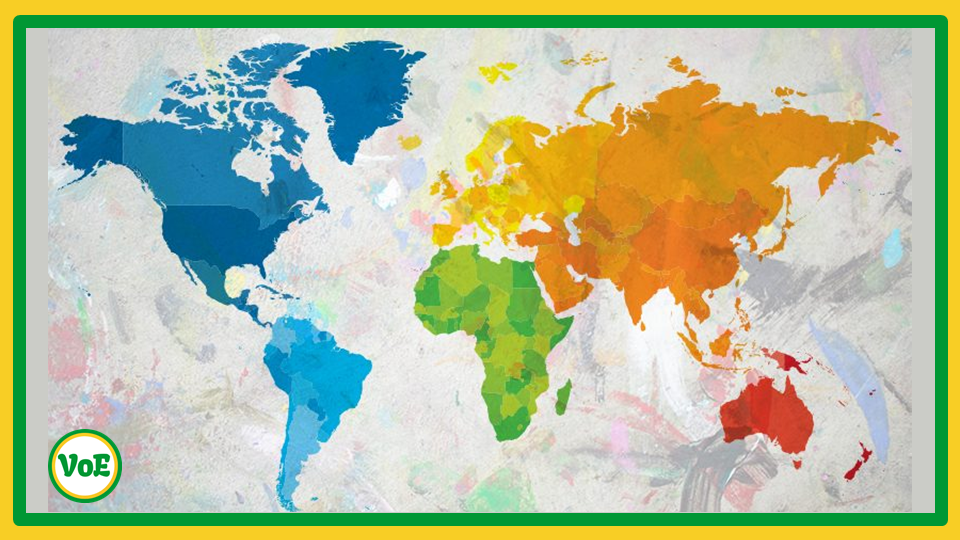
The US’ new National Security and Defence Strategies, which collectively articulate the “Trump Doctrine”, make clear that the US’ grand strategic goal is to restore its predominant position (unipolarity) over the world. Unlike during the short-lived unipolar era that followed the end of the Old Cold War, this time the US is explicitly reluctant to embroil itself in overseas conflicts that risk overextending itself, and it’ll also now rely more on its regional partners to share the burden of advancing their shared interests.
China, Russia, Iran, and North Korea are identified as the US’ adversaries, the first of them being described as “the most powerful state relative to us since the 19th century” in the National Defence Strategy, and each must now decide whether to challenge the US, balance it, or bandwagon with it. To a lesser extent, the same also applies to rising powers like India that have complicated ties with the US. In reverse order, India won’t ever challenge the US, but it’s likely to balance and bandwagon instead.
The balancing aspect relies principally on Russia for preemptively averting potentially disproportionate economic and military-technical dependence on the US that could be weaponized for coercive purposes. As for the bandwagoning aspect, this concerns India’s sincere interest in complying with its new trade deal with the US and reaching more defence ones with it too, though conditional on the first not being exploited by the US to flood its market and the second not requiring basing US troops on its soil.
By contrast, North Korea is unlikely to ever bandwagon with the US, instead preferring to balance it by triangulating between China and Russia (to avoid disproportionate dependence on either) while at times challenging it through military tests in response to the US’ regional moves. Iran’s approach will probably continue to apply all three policies: challenging the US in West Asia; balancing it by triangulating between China and Russia; and negotiating a new nuclear deal for bandwagoning with it one day.
Russia has been pursuing the same under Trump 2.0: its development of strategic arms challenges the US’ restoration of unipolarity; triangulating between China and India (to avoid disproportionate dependence on either) balances the US; and ongoing talks seek to reach an accommodation with it. China is no different: its own military build-up also challenges the restoration of unipolarity; its BRI partners help it to balance the US; and ongoing trade talks seek to reach an accommodation with it too.
From the US’ grand strategic perspective due to how it views China as “the most powerful state relative to us since the 19th century”, it’s expected to offer comparatively better partnership terms to India and Russia for incentivizing them to relatively distance themselves from China. Iran will be subordinated one way or another in order for the US to control its resource flows to China, North Korea will remain contained, and China will be coerced into a lopsided trade deal for derailing its superpower trajectory.
As the saying goes, “the best laid plans of mice and men often go awry”, so the aforesaid approach might not be implemented in full. In fact, it could also backfire if China feels like it’s being pressured into an Imperial Japanese-like 1941 zero-sum dilemma of subordinating itself to the US or initiating a war out of desperation to avert that worst-case scenario, which is precisely what the US wants to avoid. The US’ restoration of unipolarity therefore risks sparking the next World War if cooler heads don’t prevail.
Disclaimer: The views expressed in this article are author’s own and do not necessarily reflect the editorial policy of Voice of East.
Discover more from Voice of East
Subscribe to get the latest posts sent to your email.
Categories: Analysis, Geopolitics, International Affairs
Related Articles
-
 Finnish President Stubb On The Transatlantic Rift: Can A ‘Global North’ Survive A Transactional US
-
 The TurkStream Plot: Why The Serbian ‘Exoneration’ Of Ukraine Doesn’t Add Up
-
 Poland Found Itself In A Pickle Amidst The US’ Reported Patriot Transfer Request
-
 Serbia Thwarted A Major Ukrainian Terrorist Attack Against Hungary
 Voice of East
Leave a Reply