The Latest Claims That Russia Poisoned Navalny Aim To Sabotage The US’ Peace Efforts
Rubio downplayed the Europeans’ report, however, which suggests that this goal won’t be achieved even if this information provocation succeeds in distracting some of the Western public.
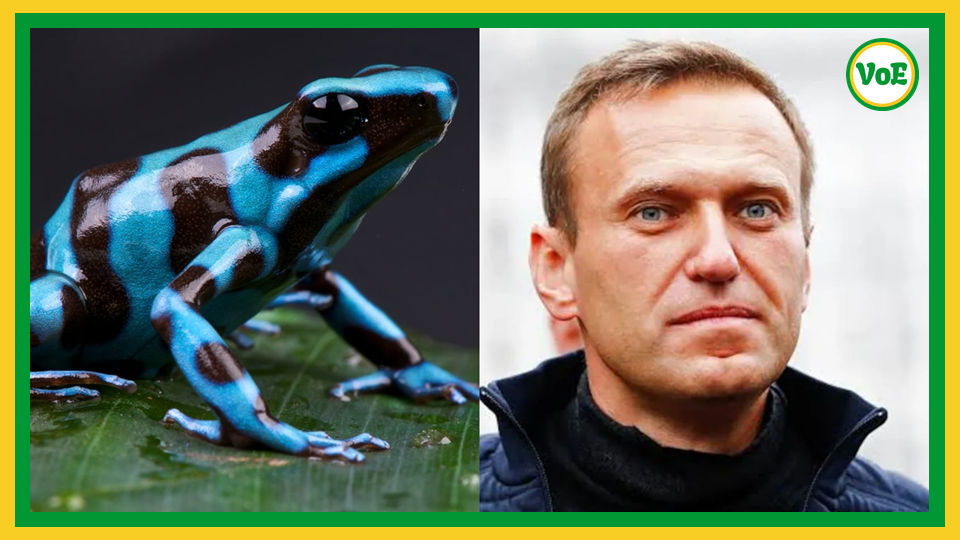
The UK, Sweden, France, Germany, and the Netherlands unexpectedly claimed that the late Alexei Navalny, who died in prison two years ago, was killed by toxins from a South American poison dart frog. Russian Foreign Ministry spokeswoman Maria Zakharova condemned this as a hoax for distracting from the Nord Stream investigation and the publication of the Epstein files. While it’s possible that they intended to redirect “casual investigators’” attention from those two cases, there might be more to it.
Before explaining what that might be, it’s important to remind readers that “Putin Had No Reason To Kill Navalny But The West Had Every Reason To Lie That He Did”. It was also later revealed that Putin agreed to swap Navalny for unnamed Russian prisoners being held in the West before his untimely passing. Moreover, “US Spy Agencies Surprisingly Concluded That Putin Didn’t Order Navalny’s Death”, so there’s not even a semi-credible reason to speculate that Russia was responsible. Alas, the Europeans still did.
The Russian Embassy in London declared that “The purpose of this farcical performance is clear: to inflame waning anti-Russian sentiment within Western societies. When no real pretext exists, they simply manufacture one.” Russia’s Ambassador to Germany, however, believes that this is actually meant to “undermine the attempts to establish a direct dialogue with Moscow, which has been increasingly talked about in Europe lately” after a reported visit to Moscow by Macron’s diplomatic advisor.
Russia’s permanent representative to the Organization for the Prohibition of Chemical Weapons seems to share this view. According to him, “It is clear that there can be no meaningful dialogue with the West in the foreseeable future. They have already made up their minds and convinced themselves that our country is poisoning everyone left and right with polonium, Novichok, and frog poison, violating every possible norm and its obligations under international treaties.”
Left unsaid by these officials is the larger context of Russia’s ongoing talks with the US and Ukraine, the latter of which are now mediated by the US, and the Europeans’ efforts to sabotage them. It’s therefore likely that the latest claims about Russia poisoning Navalny are meant to distract “casual investigators” from the Nord Stream investigation and the publication of the Epstein files while also precluding a resumption of Russian-European dialogue as well as sabotaging Russia’s talks with the US and Ukraine.
The pursuit of all these objectives aligns at this sensitive moment in the Ukrainian Conflict aligns with the Europeans’ modus operandi, especially the UK’s, whose role in this spectacle shouldn’t be downplayed. It’s very possible that this is a British information provocation first and foremost, which several of its Western European partners then agreed to join to lend false credence to this latest claim, though it’s a bit surprising that France joined after Macron’s diplomatic advisor reportedly just visited Moscow.
One explanation is that France is playing a double game by presenting itself as the voice of Western Europe and the channel for Russia’s rapprochement with it, thus elevating perceptions of its prestige, while ultimately being insincere with the aforesaid and that’s why it joined this British provocation. In any case, Rubio downplayed the Europeans’ report, which suggests that it won’t sabotage the US’ peace efforts vis-à-vis Russia and Ukraine even if it succeeds in distracting some of the Western public.
Disclaimer: The views expressed in this article are author’s own and do not necessarily reflect the editorial policy of Voice of East.
Discover more from Voice of East
Subscribe to get the latest posts sent to your email.
Categories: Analysis, International Affairs, Russia
 Ukraine’s Strikes Against Russian Oil Refineries Risk Worsening The Global Energy Crisis
  Rubio’s Sharp Rebuke Of Zelensky Clarified A Crucial Nuance
  Lukashenko Is Acting Suspiciously Again
  Claims About Russia’s Unreliability As An “Ally” To Iran Are Based On A False Premise
  Voice of East
Leave a Reply