Putin’s Top Aide Patrushev: The Third Gulf War Could Destabilize Afro-Eurasia for Years
The “negative impacts on the agro-industrial complex in Asia, Africa, and Europe” can lead to widespread starvation, while “the shutdown of energy-intensive industries in Japan, the Republic of Korea, Australia, and the European Union” can lead to widespread unemployment, with both sparking unrest.
Nikolai Patrushev is one of Putin’s oldest friends and has served as his top aide for over a quarter-century already. Although no longer Secretary of the Security Council, he’s still part of the administration and retains the president’s ear. That’s why his insight into significant matters like the Third Gulf War, which he just shared in a recent interview with Kommersant, is worth paying attention to. Patrushev believes that the conflict’s global systemic consequences will destabilize Afro-Eurasia for years.
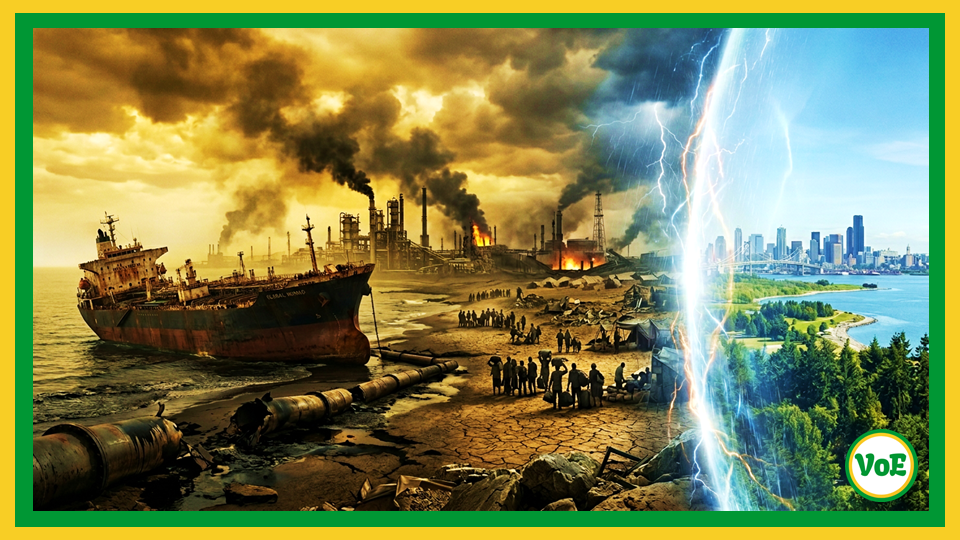
In his words, “Operation ‘Epic Fury’ has effectively become the catalyst for the redistribution of the global energy market and the collapse of maritime logistics”, which is due to Gulf no longer functioning as one of the nexuses of the global economy after the damage to its infrastructure. As such, “Energy prices, freight rates for major container shipping lines, and insurance costs are rising. Global fertilizer exports are declining, negatively impacting the agro-industrial complex in Asia, Africa, and Europe.”
He added that “Energy supply restrictions will inevitably lead to the shutdown of energy-intensive industries in Japan, the Republic of Korea, Australia, and the European Union”, which implies that the global economy will plunge into a protracted recession with no end in sight. The Third Gulf War has also backfired on the US by discrediting its reputation as a guarantor of its allies’ security, especially those that host its bases, as Iran continues pummelling the Gulf Kingdoms with retaliatory strikes.
Reflecting on the insight that Patrushev shared about the conflict’s consequences, the last-mentioned pertaining to the US’ reputational and regional interests are relatively more manageable since it could simply withdraw from the Eastern Hemisphere in the worst-case scenario of full-blown chaos. This contextualizes the National Security Strategy’s focus on restoring the US’ hegemony over the Western Hemisphere as a source of resources and markets for surviving and even thriving in that scenario.
Regrettably, the countries of Afro-Eurasia can’t shield themselves from Gulf-emanating global systemic instability like the US can, which will likely portend years of turmoil for many developed and developing countries alike. After all, any further large-scale damage to regional energy infrastructure – which is already expected to require lots of time to repair – risks taking even more of its resources off the market, thus leaving many countries without the means to meet their related needs.
The “negative impacts on the agro-industrial complex in Asia, Africa, and Europe” can lead to widespread starvation, while “the shutdown of energy-intensive industries in Japan, the Republic of Korea, Australia, and the European Union” can lead to widespread unemployment, with both sparking unrest. Russia would probably be the only oasis of security and stability in the Eastern Hemisphere, but it could prioritize agricultural, fertilizer, and energy exports to its Chinese and Indian partners to help them too.
Be that as it may, Afro-Eurasia as a whole would still likely remain destabilized for years, all while the US retreats back to the Western Hemisphere to insulate itself from all this simultaneously with weaponizing the chaos for divide-and-rule purposes, so it’s impossible to predict how it could all end. To be clear, this is only the worst-case scenario and could still be averted in part, but the fact that Putin’s top aide Patrushev is already hinting about this ominously suggests that Russia is actively preparing for the worst.
Disclaimer: The views expressed in this article are author’s own and do not necessarily reflect the editorial policy of Voice of East.
Discover more from Voice of East
Subscribe to get the latest posts sent to your email.
Categories: Analysis, Geopolitics, International Affairs
Related Articles
-
 A Lasting Political Solution To The Afghan-Pakistani War Is Extremely Unlikely
-
 Sri Lanka Wisely Rejected The US’ Request To Station Two Warplanes There
-
 Russia’s Top UN Representative Reminded The World Of The West’s Responsibility To Afghanistan
-
 Foreign Affairs Explained Why The Global South Won’t Fall Under Western Influence
 Voice of East
Leave a Reply