The Saudi-Pak Mutual Defence Pact Is Mostly Symbolic For Soft Power’s Sake
Both want to “save face” after Israel’s attack on Qatar and remind fellow Muslims about the importance of more intra-Ummah military-technical cooperation, not set the stage for an Israeli-Pakistani nuclear standoff or Saudi Arabia imposing an oil embargo on India like some suspect.
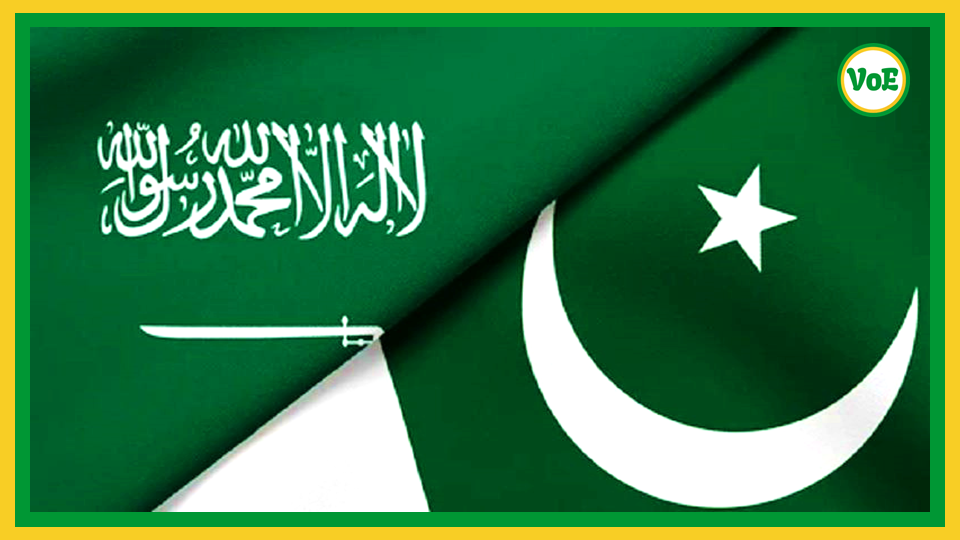
Saudi Arabia and Pakistan just signed a “Strategic Mutual Defence Agreement” (SMDA). According to their joint statement, it “aims to develop aspects of defence cooperation between the two countries and strengthen joint deterrence against any aggression. The agreement states that any aggression against either country shall be considered an aggression against both.” It doesn’t specify any duty to employ military force in their support, however, thus making it similar to Article 5 in terms of strategic ambiguity.
Many observers believe that US ally Saudi Arabia was shaken by America’s inability or refusal to stop Israel’s bombing of Hamas in Qatar despite having a major airbase there. It’s therefore supposedly trying to deter Israel via nuclear-armed Pakistan, which it’s bailed out several times in the past and who’s one of its other traditional military partners. The apparent quid pro quo is that Saudi Arabia should support Pakistan in any future clash with India such as by possibly cutting off oil shipments until hostilities cease.
That’s a compelling explanation of their interests in this SMDA, but equally compelling is the argument that it’s mostly symbolic for soft power’s sake and thus not the game-changer that many think it is. For starters, apart from fiery rhetoric at times, Pakistan hasn’t ever credibly threatened Israel. It won’t resort to nukes in clashes with its nuclear-armed Indian nemesis that it considers to be an existential threat so it’s unlikely to resort to them against nuclear-armed Israel in the scenario that Israel bombs Saudi Arabia.
About that, Israel and Saudi Arabia are actually very close despite their disagreements over Palestine, and Saudi Arabia doesn’t host any Israeli-designated terrorist groups unlike Qatar. Likewise, Saudi Arabia and India are even closer, with India being one of the largest importers of Saudi oil. They and Israel are also part of the India-Middle East-Europe Economic Corridor (IMEC) that was announced on the sidelines of the G20 in Delhi in September 2023 but is suspended for now pending the end of the Gaza War.
Just like Pakistan never credibly threatened Israel despite its fiery rhetoric, neither has Saudi Arabia ever credibly threatened India in spite of supporting Pakistan on Kashmir, so it too isn’t expected to back its ally with military force or impose an oil embargo on India if they clash again. The real purpose of their SMDA thus appears to be a symbolic response to Israel to “save face” after its attack on Qatar and reminding fellow Muslims about the importance of more intra-Ummah military-technical cooperation.
The most realistic scenario in which one might back the other with military force would be if the Houthis resume significant military operations against Saudi Arabia, which they’d only do in the far-fetched event that the Saudis resume their bombing operation first, and Riyadh requests Pakistani help. Pakistan rebuffed Saudi Arabia’s request for ships, aircraft, and troops in 2015 at the beginning of hostilities, however, so precedent suggests that it’ll do the same if asked again unless the US pulls its strings.
Altogether, while it’s hypothetically possible that Pakistan intends to wage war on Israel in support of Saudi Arabia (which could include threatening to use nukes) if Israel bombs Saudi Arabia and Saudi Arabia might impose an oil embargo on India if it clashes with Pakistan again, both scenarios are unlikely. Many pundits have a political or even ideological interest in hyping up the aforesaid, however, so it’s understandable why some might think that this SMDA is a big deal even though it arguably isn’t.
Disclaimer: The views expressed in this article are author’s own and do not necessarily reflect the editorial policy of Voice of East.
7 Courses in 1 – Diploma in Business Management

Discover more from Voice of East
Subscribe to get the latest posts sent to your email.
Categories: Analysis, Geopolitics, Pakistan
Related Articles
-
 Eclipsing Kashmir: Why The Afghanistan-Pakistan Standoff Is Now South Asia’s Most Volatile Fault Line
-
 Pakistan’s Expanding “Military Diplomacy” Deepens Ankara’s Reach Across Afro‑Eurasia
-
 Pakistan Can Ensure Its National Security Without Invading Afghanistan
-
 Durand Line On Fire: Pakistan And Afghanistan Edge Toward War
 Voice of East
Leave a Reply