The Brits Want The Poles To Contain Russia In The Baltic
Some of the €44 billion in loans that Poland just received from the EU’s “SAFE” program will go towards its new “SAFE Baltic” program, and if the precedent of the newly clinched Polish-Swedish submarine deal is anything to go by, then UK companies will profit from forthcoming Polish deals too.
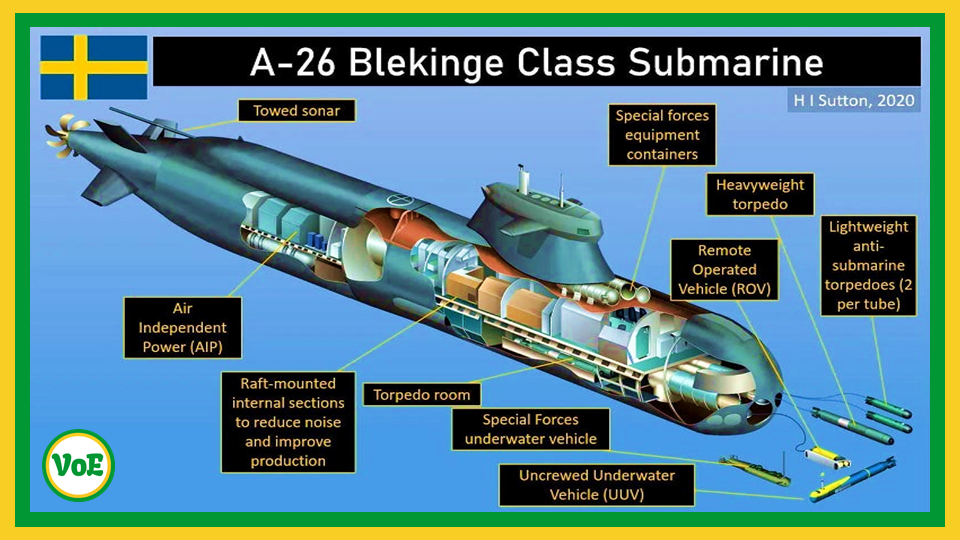
The Polish Defence Minister announced in late November that his country will buy three A26 Blekinge-class diesel-electric submarines from Sweden as part of a deal estimated to be worth a little less than €2.5 billion. This comes just several months after their first joint exercise, which presaged closer cooperation against Russia in the Baltic, and also follows reported British lobbying for Sweden over other competing bidders since one of its defence companies is expected to profit from this deal.
Although the US is Poland’s closest partner, with which it’s working hand-in-hand to geostrategically re-engineer Europe by facilitating the revival of Poland’s long-lost Great Power status simultaneously with counteracting Germany’s plans to federalize the EU, the Brits are arguably its second-closest one. This was confirmed by the creation of their de facto trilateral alliance with Ukraine exactly one week before the special operation started. They then conspired to sabotage that spring’s peace talks with Russia.
Last summer, it was assessed that “The UK Aims To Entrench Its Influence In Estonia In Order To Lead The Arctic-Baltic Front”, which preceded “SVR Once Again Warning About A British-Ukrainian False Flag Provocation At Sea” a month later. Then at the start of fall, Scandinavia experienced a Russian drone scare that was likely a series of false flags for justifying a potential crackdown on Russia’s shadow fleet in the Baltic, which is already under pressure. Such a move could serve to greatly escalate tensions.
That hasn’t yet happened due to Trump once again escalating against Russia in mid-October and then just as unexpectedly pushing for peace a month later. This made such a provocation redundant and then reduced the likeliness that Trump would fall for it after he soured on the Europeans yet again throughout the ongoing peace process that he abruptly revived. Instead of staging a false flag provocation at sea, the Brits were likely the ones who leaked the Witkoff-Ushakov call, which intended to discredit this process.
Regardless of whether or not Albion employs any more of its infamous perfidy, it’s nevertheless doing what’s needed to ensure its regional influence in the Arctic, Baltic, and Central Europe after the Ukrainian Conflict ends. Its interests in the Arctic are advanced through its base in Estonia, which also enables it to exert influence over the northern Baltic Sea, while its interests in the rest of that sea and Central Europe are advanced through its de facto alliance with Poland.
This takes the form of bilateral cooperation on Ukraine as well as the latest opportunity of indirectly cooperating through Poland’s new submarine deal with Sweden as was earlier explained. From the UK’s strategic perspective, facilitating closer cooperation between Poland and Sweden in the Baltic helps to contain Russia there, the shared goal of which is furthered by Poland’s new “SAFE Baltic” program that expands the scope of its naval activity and aims to streamline decisions on the use of force at sea.
Crucially, some of the €44 billion in loans that Poland just received from the EU’s €150 billion “Security Action For Europe” program (SAFE, which is part of the “ReArm Europe Plan”), will go towards the “SAFE Baltic” program. The precedent established by Poland’s submarine deal with Sweden could see the UK lobbying for more such deals from which its own companies will profit. Therefore, Poland’s rise as a Baltic naval power will be backed by the UK, which hopes that this will tighten Russia’s containment.
Disclaimer: The views expressed in this article are author’s own and do not necessarily reflect the editorial policy of Voice of East.
Discover more from Voice of East
Subscribe to get the latest posts sent to your email.
Categories: Analysis, Geopolitics, International Affairs
 Putin’s Top Aide Patrushev Addressed The West’s Evolving Naval Threats To Russia
  Russia’s Setbacks Abroad Aren’t Due To The Special Operation
  Why Ukraine And Its Western Patrons Seek To Blow Up Russia’s Black Sea Pipelines
  The Oreshnik Gambit: Russia’s Hypersonic Answer To US Missiles in Germany
  Voice of East
Leave a Reply