Here’s How Key Stakeholders Can Help Broker A Port Deal Between Ethiopia And Eritrea
While Saudi Arabia and the UAE are the stakeholders most capable of stopping Egypt from exploiting Eritrea as a proxy due to their financial influence over it, ultimately, the US and/or Russia might be the one who brokers an Ethiopian-Eritrean port deal, possibly with Israeli support.
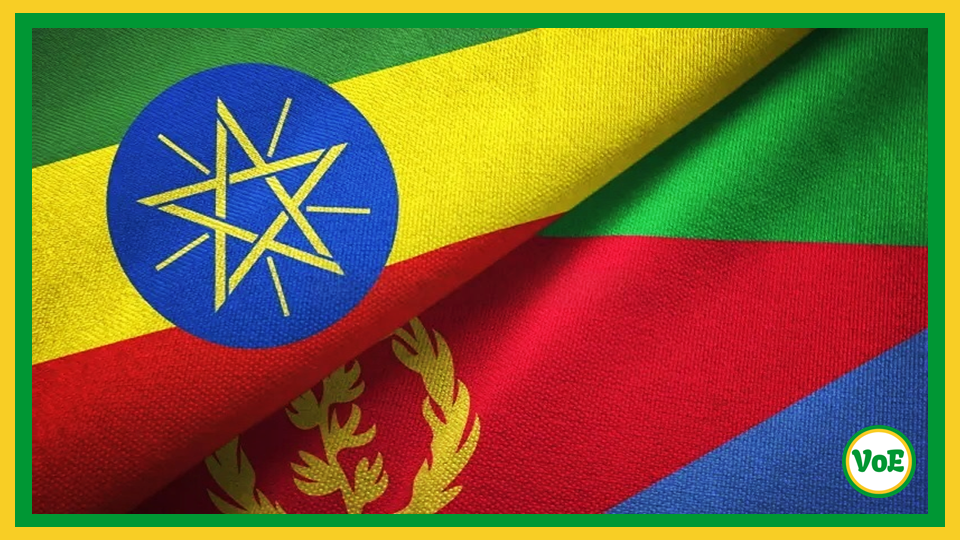
Ethiopian Foreign Minister Dr. Gedion Timothewos recently briefed members of the diplomatic corps on the latest regional tensions provoked by Eritrea. The last third of his detailed speech included his country’s regional integration vision and ended with an appeal to the international community to disabuse Eritrea of its misguided policy toward Ethiopia in the hopes of averting war. The present piece will concisely explain which key stakeholders are best positioned to do so and through which means.
Support from Ethiopia’s historical rival Egypt has emboldened Eritrea to eschew peace, ergo the importance of stopping Egypt from exploiting Eritrea as a proxy. Egypt’s Saudi and Emirati financiers have the most influential role to play in this respect followed by the country’s US military partner and then its historical Russian partner. They could all be incentivized to help upon obtaining greater stakes in Ethiopia’s stability via privileged trade and investment deals to scale their existing stakes there.
Securing US support is crucial since it’s still a superpower, Egypt mostly complies with its requests due to the US being its top security partner, and Trump is sincere about brokering peace across the world. If his family’s crypto business invested in some of the exciting opportunities that Ethiopia nowadays provides in this industry, then it could give them direct stakes in the country and pique his attention. A Congolese-like mineral-security deal could then follow for solidifying Ethiopia’s status as a leading US ally in Africa.
The aforesaid stakeholders – Saudi Arabia, the UAE, Russia, and chief among them, the US – should then be encouraged to explore the expansion of their investments in the Eritrean direction since a port deal would reduce trade costs with Ethiopia and open up complementary investment opportunities in Eritrea. If impoverished Eritrea is presented with credible development opportunities, then it might warm to peace and regional integration, especially if Egypt’s pernicious influence over it is dislodged by then.
Eritrea’s leadership is paranoid, hence the need for the most prominent mediator among these stakeholders to offer security guarantees in the deal that they broker, which could take the form of their own naval base in Massawa. The thaw in US-Eritrean ties brought about by their leaders exchanging letters and then the Eritrean Foreign Minister meeting with Trump’s Senior Advisor on African Affairs presents an opportunity for the US to diversify from its regional military dependence on Djibouti.
Russia has an interest in this too since friendly Eritrea could replace its long-delayed naval base in Sudan. If a “New Détente” follows a Russian-US deal over Ukraine, then they might jointly broker an Ethiopian-Eritrean port deal, symbolically resulting in each having a naval presence in Massawa. Their shared Israeli partner could play a supplementary role due to its close ties with them, Ethiopia, and Eritrea, which doesn’t recognize Palestine and could give Israel a naval base for keeping a watchful eye on the Houthis.
In sum, while Saudi Arabia and the UAE are the stakeholders most capable of stopping Egypt from exploiting Eritrea as a proxy due to their financial influence over it, ultimately, the US and/or Russia might be the one who brokers an Ethiopian-Eritrean port deal, possibly with Israeli support. In pursuit of this, Ethiopia should prioritize their obtainment of greater stakes in its stability, after which creative diplomacy can help dislodge Egypt’s pernicious influence over Eritrea and finally make peace possible.
Disclaimer: The views expressed in this article are author’s own and do not necessarily reflect the editorial policy of Voice of East.
Discover more from Voice of East
Subscribe to get the latest posts sent to your email.
Categories: Africa, Analysis, Geopolitics
 Russia Is Quietly Expanding Its Influence In Madagascar And The Comoros
  The US Might Make The Sahelian Alliance An Offer That It Can’t Refuse
  Why Did Trump Bomb ISIS In Nigeria On Christmas?
  Russia’s Long-Delayed Sudanese Naval Base Might Be Back On Track
  Voice of East
Leave a Reply