How Might Russia Respond If Its ‘Technical Ally’ North Korea Came Under Attack?
Each is the other’s ally, but within lesser practical limits than Russia is to its CSTO allies or the US to its NATO ones, which is an important distinction.
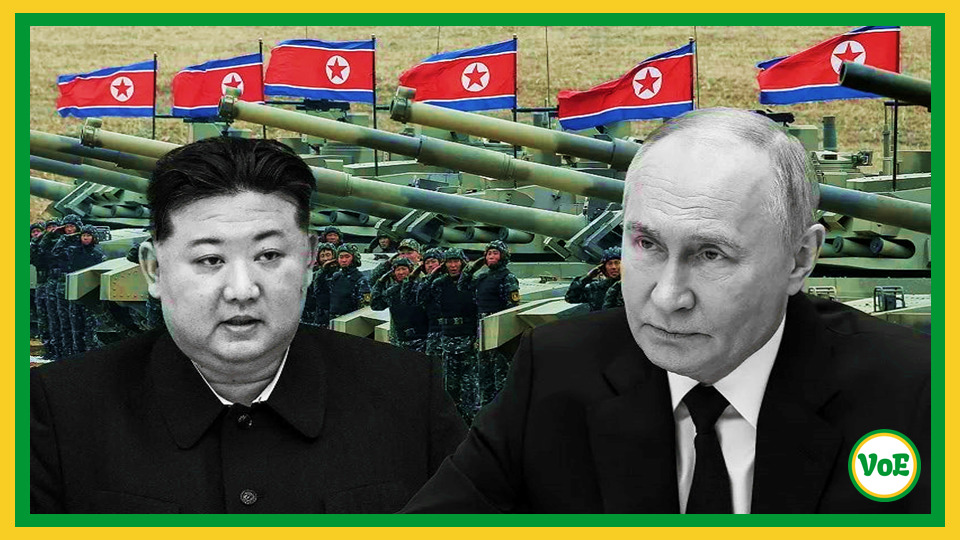
Folks were earlier reminded that “Russia Was Never Iran’s ‘Ally’” in the sense of having mutual defence obligations to it like Russia does to the five countries of the Collective Security Treaty Organization (CSTO) that it leads: Armenia, Belarus, Kazakhstan, Kyrgyzstan, and Tajikistan. It also has similar obligations to the former Georgian regions of Abkhazia and South Ossetia. All seven are located within the former USSR, which Russia considers to be its “Near Abroad”, a euphemism for “sphere of influence”.
Unmentioned in the cited analysis above is that Russia has technically had mutual defence obligations to North Korea since the ratification of a relevant pact in late 2024 that updated their Soviet-era one. The document can be read here in Russian while North Korean media summarized it here. It wasn’t included in that analysis due to the implementation differing from what casual observers imagine mutual defence obligations to mean with respect to providing full and limitless support to one’s allies during a crisis.
Article 3 calls on them to consult each other and coordinate “In the event of an immediate threat of an act of armed aggression against one of the Parties”, while Article 4 calls on them to “immediately provide military and other assistance with all means at its disposal” if war breaks out. In practice, North Korea didn’t provide “assistance with all means at its disposal” for helping Russia expel the Ukrainian invaders and their mercenary allies from Kursk, but what it did provide was still deeply appreciated.
The form that it took was supplying ammo, troops, and then sappers (de-miners) afterwards, all of which indisputably helped Russia in the spirit of their mutual defence obligations but of course fell short of providing “all means at [North Korea’s] disposal”, though Russia likely didn’t request maximum support. After all, North Korea must understandably maintain its defences at home, thus explaining why it couldn’t send the bulk of what’s one of the world’s largest standing armies from Asia to Europe.
In any case, the question that some have asked amidst the US-Israeli campaign against Iran is how Russia would respond to a similar US-led campaign against North Korea, the prospects of which are admittedly dim due to its nuclear deterrent but nevertheless still an intriguing thought exercise in this context. As with North Korea, Russia can’t realistically send the bulk of what’s also one of the world’s largest standing armies from Europe to Asia since it too must understandably maintain is defences at home.
It’s possible that fighter pilots and jets could be provided just like during what would then be known as the First Korean War. Some have also speculated that Russia is already sending high-tech military equipment, including that which can be used for ballistic missiles, nuclear submarines, and satellites, to North Korea in the spirit of this pact for deterrence purposes. In the event of an invasion, however, precedent suggests that Chinese troops would intervene instead due to China’s much greater interests.
As such, Russia is expected to provide North Korea with equipment operators like fighter pilots and their assets if it comes under attack, but it’s unlikely to send the bulk of its forces just like North Korea didn’t send the bulk of its own to Kursk. Russia also likely won’t open up a European front for dividing the US’ forces since North Korea didn’t open up an Asian one for that purpose. Each is the other’s ally, but within lesser practical limits than Russia is to its CSTO allies or the US to its NATO ones, which is an important distinction.
Disclaimer: The views expressed in this article are author’s own and do not necessarily reflect the editorial policy of Voice of East.
Discover more from Voice of East
Subscribe to get the latest posts sent to your email.
Categories: Analysis, Geopolitics, Russia
 The West Itself, Not Putin, Is Behind Every EU Migrant Crisis
  How Ukraine’s Strike On Russian Energy Hub Could Drag Europe Into Prolonged War
  Armenia’s Ultimatum Over Russian Gas Prices Amounts To A National Suicide Threat
  Why Orban’s Call With Putin Is A Model For Modern Diplomacy
  Voice of East
Leave a Reply