Pakistan Is Poised To Benefit The Most From The End Of The Third Gulf War
The common denominator is that these benefits could empower Pakistan to truly become a regional power to be reckoned with if it successfully expands its influence in Central and West Asia.
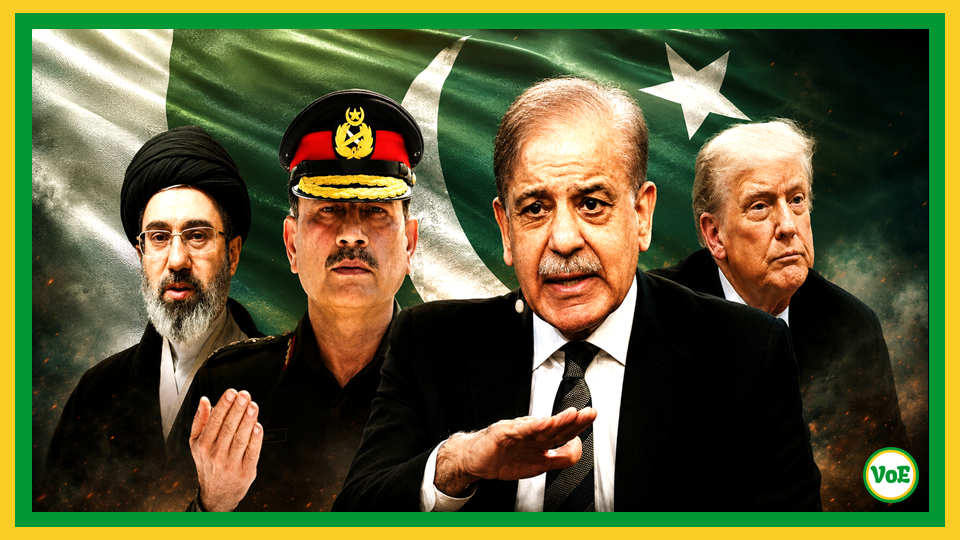
The Iranian-US memorandum of understanding (MoU) on ending the Third Gulf War – which was analysed here, here, and here – wouldn’t have been possible without Pakistani mediation. For as many problems as that country has, including its de facto military junta’s brutal persecution of former multipolar Prime Minister Imran Khan and his supporters, its “deep state” still helped pull off a diplomatic miracle. Pakistan is now poised to benefit from its achievement in the following five ways:
———-
1. Reliable & Low-Cost Iranian Oil
The promised lifting of sanctions on Iran will provide Pakistan with the reliable and low-cost oil that it requires to keep its struggling economy afloat, thus helping the de facto military junta pull the country back from the brink of bankruptcy and potential collapse. If properly managed, and that of course can’t be taken for granted given the Pakistani state’s endemic corruption that only worsened since April 2022’s post-modern coup against Khan, then average folks’ living standards might eventually improve.
2. The Iranian-Pakistani Gas Pipeline
Likewise, the long-delayed Iranian-Pakistani gas pipeline might finally be built, but perhaps with some Gulf (namely Saudi and/or Qatari) funding due to both countries lacking the excess capital required for this long-term investment. This too could eventually improve average folks’ living standards if properly managed. The US has an interest in this outcome since a more stable and prosperous Pakistan serves as a more effective regional counterweight to India in case India behaves too independently of the US.
3. The North-South Transport Corridor
Pakistan isn’t just poised to receive more reliable and low-cost energy from Iran but also logistical access to the Central Asian Republics and even Russia through the North-South Transport Corridor. Afghanistan was initially envisaged as the transit state for facilitating Pakistan’s trade with both through a planned railway to Uzbekistan, but their recent clashes scuttled that. Therefore, Iran is replacing Afghanistan’s role, and this in turn could expand Pakistani economic – and eventually other – influence into Eurasia.
4. More US Anti-Terrorist Assistance
Expanding upon the above, the US might provide more anti-terrorist assistance to Pakistan as a reward for mediating the MoU with Iran since Pakistan is struggling to defeat terrorist-designated Afghan-backed fundamentalist and separatist groups. The US might have an ulterior motive, however, with respect to helping Pakistan subordinate Afghanistan for the purpose of returning US troops to Bagram Airbase like Trump declared that he wants to do. Their interests in Afghanistan might therefore once again converge.
5. A Blind US Eye On Ballistic Missiles
And finally, Pakistan expects the US to turn a blind eye towards its ballistic missile program that the then-outgoing Biden Administration warned about in December 2024 and then Trump 2.0 unexpectedly brought up in mid-March of this year. The quid pro quo might be for Pakistan to continue drifting away from China towards the US-led West as it’s been doing since April 2022’s post-modern coup. Pakistan would then serve as an even more effective regional counterweight to India for the US.
———-
The common denominator between these benefits is that they could empower Pakistan to truly become a regional power to be reckoned with if it successfully expands its influence in Central and West Asia. It’s not just India that would be threatened by this but Russia too if “Major Non-NATO Ally” Pakistan helps its American and Turkish allies roll back Russian influence in Central Asia per the Neo-Reagan Doctrine. Russia and India are therefore expected to closely monitor Pakistan’s US-backed evolving role in Eurasia.
Disclaimer: The views expressed in this article are author’s own and do not necessarily reflect the editorial policy of Voice of East.
Discover more from Voice of East
Subscribe to get the latest posts sent to your email.
Categories: Analysis, Geopolitics, Pakistan
Related Articles
-
 There’s No Realistic Chance That Pakistan Will Join The Abraham Accords Anytime Soon
-
 How Did Pakistan End Up As The Most Likely Mediator Between The US And Iran?
-
 Pakistan’s Missile Program Is Back In The US’ Crosshairs
-
 A Partially Pentagon-Funded Newspaper Is Fearmongering About Russian-Pakistani Ties
 Voice of East
Leave a Reply